

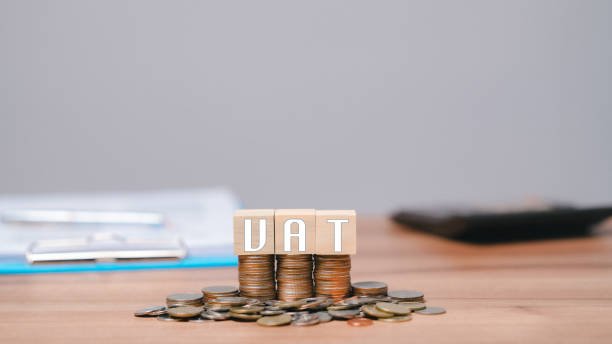
VAT registration in the UAE is required for businesses whose taxable supplies and imports pass the mandatory threshold set by the Federal Tax Authority, and it is optional for some businesses below that level. Registration gives the business a tax registration number, which it uses on tax invoices and returns. Which category you fall into depends on your turnover and the nature of your supplies, so you should confirm the current rules on the Federal Tax Authority website. This guide explains who needs to register, what to prepare, what happens after registration and where Built Pulse, a Dubai company that provides end-to-end business setup and related services, from 0 to 100, fits. It is general information, not tax advice.
What VAT is
Value added tax is a tax on the supply of most goods and services. A VAT-registered business charges VAT on its taxable sales, may recover VAT it paid on eligible business purchases and reports the difference to the tax authority in periodic returns. The customer ultimately bears the tax, but the business collects it and passes it on. Registration is the first step in this system, and it gives you a tax registration number.
Who needs to register
- Mandatory registration. Businesses whose taxable supplies and imports exceed the mandatory threshold over the period the rules specify must register.
- Voluntary registration. Some businesses below the mandatory level, but above a lower threshold, may be allowed to register by choice. This can suit businesses that have significant VAT on their costs.
- Not required. Businesses below the thresholds that choose not to register do not need to.
The thresholds and the periods they apply to are set by the authority and can change. Always check the current figures on the official source before deciding.
Why registration matters
- It is a legal requirement once you pass the mandatory threshold.
- Registering late can lead to penalties.
- Business customers often ask for your tax registration number before they will work with you.
- Registered businesses can usually recover VAT on eligible costs, which can improve cash flow.
- Proper registration makes it easier to keep clean financial records from the start.
How to work out whether you need to register
- Add up the value of your taxable supplies and imports over the relevant period.
- Compare the total with the mandatory threshold published by the authority.
- If you are close, track your turnover monthly so that you register on time.
- If you are below the mandatory level, check whether voluntary registration makes sense for you.
- Remember that some supplies may be treated differently, so check how your own sales are classed.
What to prepare
Typical preparation includes the following. The authority’s current requirements decide the final list.
- Your trade licence and company documents.
- Identity documents for the owner and manager.
- Contact details and the registered business address.
- Details of your business activities and expected turnover.
- Financial records that support your turnover, such as invoices and bank statements.
- Bank account details for the business.
- Details of any related businesses, if the rules ask for them.
A simple registration path
- Work out your taxable turnover and compare it with the thresholds.
- Decide whether registration is mandatory or voluntary for you.
- Gather documents and financial records.
- Create or access your account on the authority’s official system.
- Complete and submit the application with the supporting documents.
- Respond to any query the authority raises.
- On approval, receive your tax registration number and start meeting your obligations.
After registration: what you must do
- Show your tax registration number on tax invoices and follow the invoice format rules.
- Charge VAT correctly on taxable sales, and understand which sales may be treated differently.
- Keep VAT records for the period the rules require.
- File returns and pay any tax due on time, according to the filing period assigned to you.
- Tell the authority about changes to your business, such as a new address, a change in activities or a change of ownership.
Questions to settle early
| Question | Why it matters |
|---|---|
| Is my turnover above the threshold? | Decides whether registration is mandatory |
| Which of my sales are taxable? | Affects what VAT you charge |
| Which costs can I recover VAT on? | Affects your cash flow |
| Who prepares and files our returns? | Avoids missed deadlines |
| How will we store VAT records? | Makes returns and reviews easier |
Common practical issues
Many new businesses run into the same problems. They issue invoices without the required details. They forget to track turnover and register late. They mix personal and business spending, which makes recovering VAT harder to document. Or they leave bookkeeping until the filing date, and then struggle to reconstruct the quarter. Setting up a simple routine early, such as recording invoices and receipts weekly and reconciling the bank each month, avoids most of these.
Where does VAT fit in company setup?
VAT registration usually comes after the company is licensed and has a bank account, because the authority asks for company documents and financial records. It is therefore best treated as part of the overall setup plan, not an afterthought. If you plan to trade from the first day, think about whether you will need to register soon after the licence is issued.
Keeping VAT in your day-to-day routine
Registration is easier to live with if you build a few habits around it from the first week. Decide who in the business is responsible for VAT, even if that person is you. Create a standard invoice template that includes every detail the rules require, so that nobody has to remember them each time. Record each sale and each purchase as it happens, and keep the supporting documents together. Reconcile the bank account to your records each month, so that the figures you report match what actually moved through the account. Finally, put the filing and payment dates in a shared calendar with reminders a week ahead. These habits take little time, and they make each return a short task instead of a stressful one.
When to ask for professional help
Many small businesses can handle registration themselves, but it is sensible to speak to a qualified adviser if your supplies are mixed, if you trade across borders, if you deal in goods that may be treated differently, or if you are unsure whether your turnover will pass the threshold soon. Getting the position right at the start is cheaper than correcting returns later.
Where does Built Pulse fit?
Built Pulse is a Dubai company that provides end-to-end business setup and related services, from 0 to 100. For companies at the start of their journey, Built Pulse can help include tax registration in the overall setup plan, so that it does not get missed after the licence is issued. Ask the team what support they provide for VAT, and rely on the Federal Tax Authority for the rules themselves.
Common mistakes to avoid
- Not tracking turnover against the threshold.
- Registering late and facing penalties.
- Issuing invoices without the correct details.
- Keeping poor records that make returns hard to prepare.
- Assuming rules stay the same from year to year.
- Missing a filing or payment date.
Frequently asked questions
Who needs to register for VAT in the UAE?
Businesses whose taxable supplies and imports pass the mandatory threshold. Some businesses below it may register voluntarily.
What is a tax registration number?
The number issued on registration, which you use on invoices and returns.
What documents do I need?
Typically your licence, identity documents, business details and financial records. Check the current list with the authority.
What happens if I register late?
Penalties may apply. Check the authority’s current rules.
Can I register voluntarily?
Some businesses below the mandatory level can. Check whether you qualify and whether it benefits you.
This article gives general information and is not tax advice.