Reliable internet connectivity and efficient data communication are essential for businesses operating in today’s digital environment. Offices, commercial buildings, warehouses, data centres and other facilities depend on stable network infrastructure to support daily operations. Fiber optic cabling has become an important solution for organizations that require high-speed data transmission, dependable connectivity and network scalability. Businesses searching for professional fiber optic cabling companies in Dubai often look for solutions that can support both their current networking requirements and future technology upgrades.
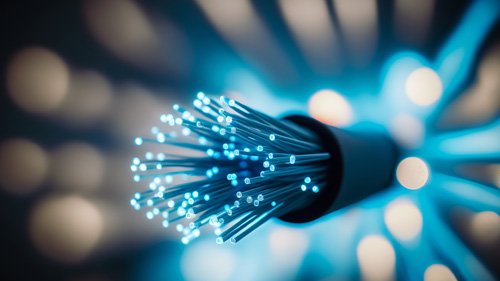
Fiber optic cables transmit information through light signals instead of electrical signals. This technology allows data to travel over longer distances with reduced signal loss and minimal interference from electrical equipment. As businesses continue to adopt cloud services, digital communication tools and connected systems, fiber optic infrastructure offers a practical foundation for modern networking.
Why Fiber Optic Cabling Is Important for Businesses
Network performance directly affects productivity, communication and the overall efficiency of business operations. Traditional copper cabling may be suitable for certain network applications, but fiber optic technology is often preferred for backbone connections and installations that require higher bandwidth or longer cable distances.
Fiber optic cabling can help businesses connect multiple floors, server rooms, office buildings and network distribution points. It is particularly useful in facilities where large amounts of information need to be transmitted between different locations.
Some of the key advantages include:
-
High bandwidth capacity: Fiber optic infrastructure can support demanding network applications and large volumes of data traffic.
-
Long-distance connectivity: Optical fiber is suitable for connections across longer distances where traditional copper Ethernet links may have limitations.
-
Reduced electromagnetic interference: Fiber transmits data using light, making it less susceptible to electromagnetic interference.
-
Network scalability: Properly designed fiber infrastructure can support future network expansion and upgrades.
-
Reliable communication: Correct installation, termination and testing help maintain consistent network performance.
These benefits make fiber optic technology a valuable choice for organizations developing or upgrading their communication infrastructure.
Applications of Fiber Optic Networks in Dubai
Dubai has a wide range of commercial, residential, industrial and infrastructure developments that depend on modern networking systems. Fiber optic cabling can support connectivity across different types of buildings and facilities.
Commercial Offices
Businesses use fiber optic networks to connect server rooms, network racks, office floors and communication equipment. A properly planned backbone network can support cloud applications, video conferencing, file sharing and other business communication requirements.
Data Centres
Data centres require efficient connections between servers, network switches, storage systems and other infrastructure. Fiber optic cabling supports high-speed connections within network environments, depending on the equipment and cable specifications.
Warehouses and Industrial Facilities
Large warehouses and industrial properties may require connectivity between distant operational areas. Fiber optic cables can help establish network connections across facilities where distance or electrical interference may affect other cabling options.
Residential and Smart Buildings
Modern residential developments and smart buildings use networking infrastructure to support internet connectivity, connected devices, communication systems and building technologies. Fiber optic cabling can serve as part of the building’s backbone infrastructure.
What to Consider When Choosing Fiber Optic Cabling
Selecting the appropriate fiber optic network requires careful planning. The type of cable, installation route, equipment compatibility and network requirements should all be considered before beginning a project.
Single-Mode and Multimode Fiber
Single-mode fiber is commonly used for longer-distance connections and backbone infrastructure. Multimode fiber is often suitable for shorter connections within buildings and certain data-centre environments. The choice depends on distance, bandwidth requirements, connected equipment and project specifications.
Installation Environment
Indoor and outdoor installations require different cable specifications. Factors such as environmental conditions, cable routes, conduit availability, physical protection and building layout can influence the selection of fiber optic cables.
Professional Termination and Splicing
Fiber optic installation requires careful handling, accurate termination and proper splicing techniques. Poor workmanship can affect signal performance and create difficulties during maintenance. Professional installation helps ensure that fiber connections are completed correctly.
Testing and Documentation
Testing is an important part of fiber optic installation. Technicians may use optical testing equipment, including OTDR instruments and optical power meters, depending on the project requirements. Testing helps identify faults, verify connection performance and document the completed installation.
Finding the Right Fiber Optic Cabling Service Provider
Choosing an experienced installation provider can help businesses plan their network infrastructure more effectively. Before selecting a contractor, organizations should consider the provider’s technical expertise, installation experience, testing procedures, cable quality and ability to understand project-specific requirements.
Businesses looking for professional fiber optic cabling companies in Dubai can explore installation solutions designed to support structured networking infrastructure, connectivity requirements and future expansion. A properly planned cabling system can help businesses establish an organized and dependable network environment.
Conclusion
Fiber optic cabling is an important component of modern network infrastructure. Its ability to support high bandwidth, longer-distance communication and reduced electromagnetic interference makes it suitable for a wide range of commercial and industrial applications. From office networks and data centres to warehouses and multi-building facilities, fiber optic technology helps organizations build connectivity infrastructure that supports evolving business needs.
Investing in proper network planning, professional installation, quality termination and testing can help businesses maintain a reliable network foundation for their daily operations and future growth.