
The UAE’s energy sector plays a central role in the country’s economy, supporting industries ranging from oil and gas to electricity generation, infrastructure and renewable energy. As energy projects become larger and more technically complex, businesses operating in this sector face risks that require specialised risk management and insurance solutions.
From exploration and production assets to power plants and renewable energy projects, every stage of an energy project can involve significant financial exposure. The right insurance programme can help operators, contractors and developers manage these risks and protect valuable assets throughout the project lifecycle.
Why Energy Insurance Matters for UAE Businesses
Energy projects typically involve high-value equipment, complex engineering systems and long operational periods. A single unexpected incident can result in physical damage, project delays, production losses or significant business interruption.
For this reason, energy insurance needs to reflect the specific nature of the project rather than relying on a generic commercial insurance programme.
The risks faced during construction can also be very different from those faced once a facility becomes operational. Businesses therefore need to review their insurance requirements as projects move through different phases.
Understanding Energy and Power Insurance
Energy and power insurance encompasses a range of specialised insurance solutions designed for businesses operating across the energy sector.
Depending on the nature of the business, cover may address risks associated with:
- Oil and gas exploration and production
- Offshore and onshore energy operations
- Power generation facilities
- Transmission infrastructure
- Solar and wind projects
- Energy construction and erection
- Business interruption
- Physical damage to energy assets
The exact scope of protection depends on the project, assets, operational activities and policy terms.
Key Types of Energy Insurance
1. Upstream Oil and Gas Insurance
Upstream operations involve exploration and production activities that can expose businesses to complex physical and financial risks.
Insurance programmes for upstream oil and gas operations may address physical damage to assets, business interruption and control-of-well risks, depending on the operation and selected coverage.
For operators and contractors working on major energy projects in the UAE, specialist insurance knowledge can be particularly important when assessing these exposures.
2. Power Plant and Generation Insurance
Power generation facilities depend on sophisticated equipment and infrastructure. Damage to a critical component can potentially interrupt electricity generation and create significant financial consequences.
Power plant insurance can be structured to address physical damage to generation assets as well as resulting business interruption.
The financial impact of an outage should be assessed against the facility’s actual generation capacity and operational characteristics rather than using a generic estimate.
3. Renewable Energy Insurance
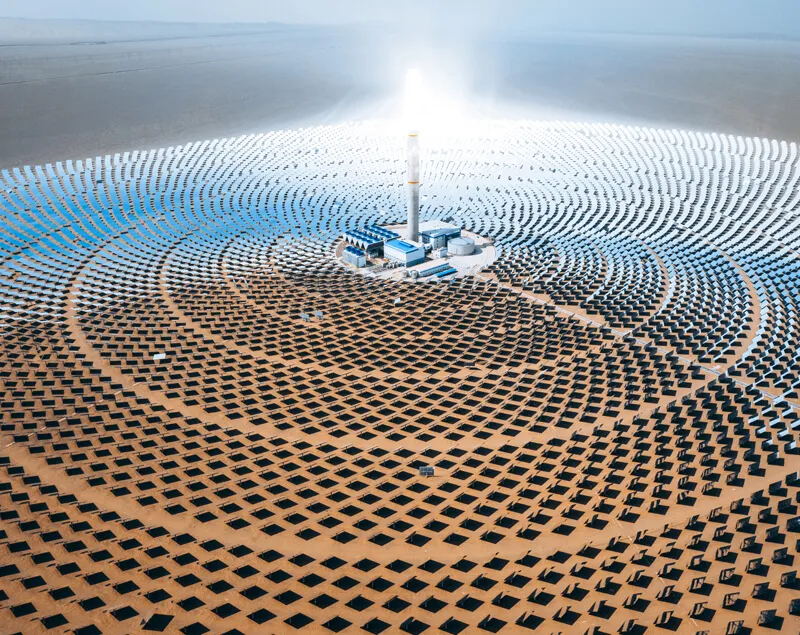
The UAE’s energy landscape is evolving, with solar and wind projects becoming increasingly important. Renewable energy assets have their own risk profiles that differ from traditional oil and gas operations.
Solar panels, wind turbines, electrical systems and associated infrastructure can be exposed to weather-related events, equipment damage and operational interruptions.
Renewable energy insurance can help project owners and developers address these risks while considering the specific characteristics of the technology and location.
4. Energy Construction and Erection Insurance
An energy project can face substantial risks before it becomes operational. Equipment transportation, installation, testing and commissioning can all create potential exposures.
Energy construction and erection insurance can provide protection during the development phase, helping businesses manage risks before operational insurance takes effect.
It is important to ensure that the transition from construction to operational coverage is properly coordinated so that important risks are not left unaddressed.
5. Energy Business Interruption Insurance
Physical damage is only one part of the potential financial impact of an energy-related incident. If a facility cannot operate following an insured event, the resulting loss of production or revenue can be substantial.
Energy business interruption insurance can help compensate for certain financial losses following an insured event, subject to the policy’s terms, conditions and limits.
For energy companies, accurately assessing potential production and revenue losses is therefore an important part of designing an effective insurance programme.
Why Project Phase Matters
One of the most important considerations when arranging energy insurance is the stage of the project.
During construction, businesses may be primarily concerned with installation risks, equipment damage, commissioning and delays. Once a facility becomes operational, the focus can shift toward equipment breakdown, physical damage, production interruption and operational liabilities.
A policy programme should therefore evolve with the project rather than treating construction and operation as identical risk environments.
Assessing Risks in Oil and Gas Projects
Oil and gas operations can involve offshore platforms, wells, pipelines, processing facilities and other specialised assets. Each part of the operation may introduce different risks.
Businesses should consider factors such as asset values, location, operational processes, contractor responsibilities and potential business interruption when developing their insurance strategy.
For contractors, contractual insurance requirements are also important. Major operators may require EPC contractors and subcontractors to maintain specific types and levels of insurance before work begins.
Reviewing these requirements early can help contractors identify potential gaps before signing a contract.
Managing Risks in Power Projects
Power generation and transmission infrastructure require careful risk assessment because individual components can have a significant impact on overall operations.
Businesses should evaluate the value of physical assets alongside the potential financial consequences of an outage. Equipment replacement times, generation capacity and dependency on individual components can all influence the potential business interruption exposure.
A tailored insurance programme can take these operational characteristics into account.
What Should Businesses Consider When Choosing Energy Insurance?
Before selecting an insurance programme, energy businesses should consider several important factors.
Asset Value
Accurate asset valuations are essential when determining appropriate insurance limits. Underestimating values can create challenges following a major loss.
Business Interruption Exposure
Businesses should evaluate how much revenue or production could be lost following an insured incident and how long it could take to restore operations.
Project Phase
Construction, commissioning and operational stages can involve different risks and may require different insurance arrangements.
Contractor Requirements
EPC contractors and subcontractors should review the insurance obligations contained in their contracts and ensure that their policies satisfy those requirements.
Geographic Exposure
Energy businesses operating across multiple locations may need insurance programmes that account for different jurisdictions, assets and operational environments.
The Importance of Specialist Energy Insurance Brokers
Energy insurance is a highly specialised area because of the scale and complexity of the risks involved. A broker with sector expertise can help businesses assess their exposures, structure appropriate programmes and access suitable insurance markets.
UIB in the Emirates provides energy and power insurance broking services for operators, contractors and developers across oil and gas, power generation and renewable energy. Its solutions include upstream oil and gas insurance, power plant and generation insurance, renewable energy insurance, energy construction and erection insurance, and energy business interruption insurance.
UIB also states that many large energy risks are placed through its reinsurance network, providing access to international capacity beyond what may be available through the local market alone.
Final Thoughts
Energy and power projects involve risks that can extend from the construction stage through decades of operation. Whether a business operates in oil and gas, power generation or renewable energy, insurance should be designed around the assets, activities and potential financial consequences of an incident.
A comprehensive approach considers physical damage, business interruption, construction exposures, contractual requirements and the changing risk profile of each project phase.
For UAE energy businesses, working with a specialist insurance broker can help create a more structured approach to managing these complex exposures while ensuring that insurance arrangements keep pace with changing operations and project requirements.