

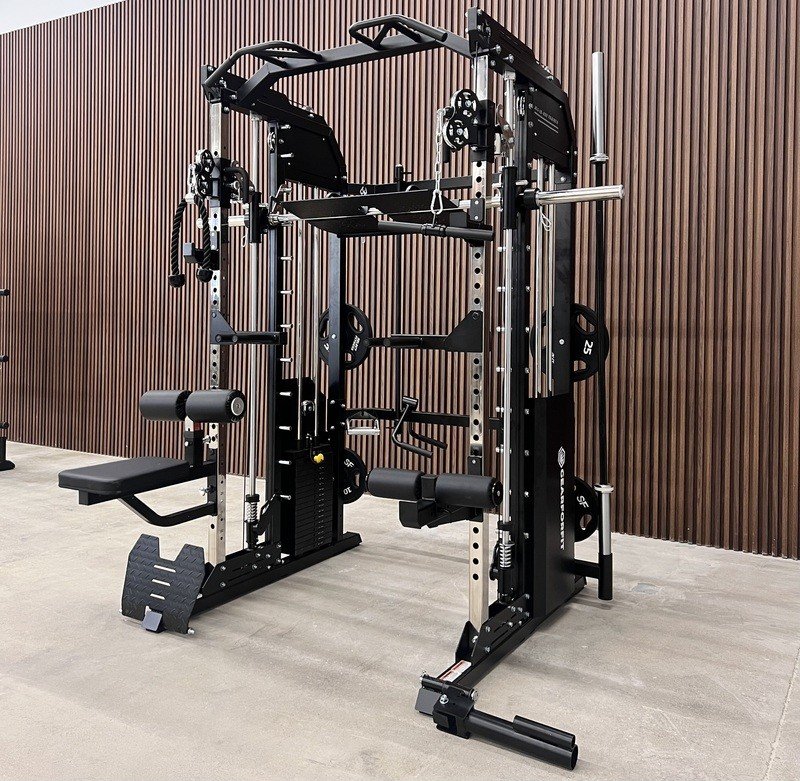
Walking into a gym, you’ll see plenty of equipment lined up around the room. Dumbbells, barbells, weight plates, benches and machines all have their own purpose. But have you ever thought about how much your workout depends on choosing the right equipment? It isn’t just about lifting heavier weights or spending more time exercising. The equipment you use also affects your movement, posture, comfort and the results you get from each training session.
Some people prefer working with free weights, while others feel more comfortable using gym machines. Both approaches have their place. What matters is finding equipment that suits your fitness level and helps you train without putting unnecessary pressure on your body.
Let’s look at how the right weight lifting equipment can make a real difference to your workout.
1. Helps You Maintain Proper Exercise Form
Good exercise form is something every person should pay attention to, whether they’re new to strength training or have been visiting the gym for years. Using unsuitable equipment often makes it harder to perform an exercise correctly.
Take dumbbells as an example. If they’re too heavy, you may start swinging your arms or using your back to complete a movement. This takes attention away from the muscles you’re trying to train.
Choosing an appropriate weight allows you to perform each repetition with better control. A properly designed weight bench also gives your body the support it needs during exercises like chest presses, shoulder presses and dumbbell rows.
Small things matter here. Correct positioning, a comfortable grip and stable support all help you get more out of your training.
2. Makes Strength Training More Effective
Building strength takes patience. You won’t see major changes after just a few sessions, but regular training with suitable equipment helps you work towards your fitness goals.
Different types of weight lifting equipment target different muscle groups. Barbells are useful for compound exercises such as squats, deadlifts and bench presses. Dumbbells allow more independent movement on each side of the body, while weight machines offer guided movement for specific exercises.
This variety makes it easier to plan a balanced workout.
For example, someone focusing on upper-body strength may include dumbbell presses, barbell rows and shoulder exercises in their routine. A person working on lower-body strength could use weight plates, barbells and leg machines.
The idea is simple: choose equipment that supports the exercises you want to perform rather than trying to use everything in the gym.
3. Supports Progressive Overload
If you want to build muscle and improve strength, your body needs a gradual challenge. This training principle is known as progressive overload.
It doesn’t mean increasing your weight every single day. Instead, you slowly increase the demands placed on your muscles as your strength improves.
Adjustable dumbbells and weight plates are useful for this purpose. They give you the flexibility to increase resistance in small steps instead of making a sudden jump to a much heavier load.
For instance, you could begin with lighter dumbbells while learning a shoulder press. Once the movement feels comfortable and your technique stays consistent, you can increase the resistance.
This gradual approach gives your muscles time to adapt. It also makes your progress easier to monitor, which is encouraging when you’re following a long-term fitness routine.
4. Gives You More Workout Variety
Repeating the same exercises every day can make training feel dull. It may also leave certain muscle groups out of your routine.
Having access to different weight lifting equipment gives you more ways to train. You could use a barbell for squats one day, switch to dumbbell lunges during another session, or include cable exercises when you want to change your routine.
A weight bench is another useful addition. With an adjustable bench, you can perform flat, incline and seated exercises without needing several separate pieces of equipment.
Variety keeps your sessions interesting. It also helps you work different muscles through different movement patterns.
You don’t need a huge collection of equipment to achieve this. Even a few well-selected pieces can give you plenty of exercise options.
5. Improves Workout Comfort and Stability
Nobody wants to spend an entire workout adjusting uncomfortable equipment. When a bench feels unstable or a dumbbell has an uncomfortable grip, it becomes harder to concentrate on the exercise.
Comfort and stability aren’t small details. They affect how confidently you perform each movement.
A sturdy weight bench offers proper support during pressing exercises. Dumbbells with comfortable handles help you maintain a firm grip, while good-quality barbells provide a stable surface for lifting.
Before starting a session, check that the equipment is positioned correctly. Make sure weight plates are secured and adjustable parts are locked into place.
These simple checks make your workout more comfortable and help reduce the chances of equipment-related accidents.
6. Helps Beginners Build Confidence
Starting strength training can feel confusing. There are so many exercises, machines and different types of weights that a beginner may not know where to begin.
Choosing straightforward equipment makes those first few weeks easier.
Light dumbbells, resistance machines and an adjustable weight bench are useful starting options. They allow beginners to learn basic movements without immediately handling heavy loads.
As confidence improves, they can gradually introduce barbells, additional weight plates and more challenging exercises.
There’s no need to rush. Learning how to hold equipment, control movements and maintain proper posture should come before trying to lift heavier weights.
A good workout isn’t measured by how much weight someone lifts. Consistency and correct technique matter just as much.
7. Makes Home Workouts More Convenient
Not everyone has the time to visit a gym several times a week. Work schedules, family responsibilities and daily commitments sometimes make regular gym visits difficult.
This is where home gym equipment becomes useful.
A pair of adjustable dumbbells, a weight bench and a set of weight plates can provide enough variety for many strength-training exercises. You can work on your arms, chest, shoulders, back and legs without needing a large workout space.
The important thing is to select equipment according to your available room and fitness routine. Buying too many pieces without knowing how you’ll use them often leaves equipment sitting unused.
Start with the essentials. Add other items when your training requirements change.
8. Helps You Stay Consistent With Your Fitness Goals
Fitness progress comes from showing up regularly. Some days your workout will feel great, while other days you’ll have less energy. That’s normal.
Having equipment that suits your training style makes it easier to stick with your routine. You spend less time struggling with uncomfortable setups and more time focusing on the exercises themselves.
It also helps to keep track of your workouts. Write down the weights you lift, the number of repetitions you complete and how each session feels. Over a few weeks, these small records give you a clearer picture of your progress.
You don’t need to make every session perfect. What matters is building a routine you can follow for months, not just a few days.
Choosing Equipment That Fits Your Training Needs
Before selecting weight lifting equipment, think about what you actually want to achieve. Someone interested in muscle building will have different equipment requirements from someone who simply wants to improve general strength.
Pay attention to the equipment’s construction, grip, weight capacity, adjustability and stability. Also consider your current experience level and the space available for training.
If you’re unsure about a particular exercise or piece of equipment, ask a qualified fitness trainer for guidance. Learning the correct technique from the beginning saves a lot of confusion later.
At the end of the day, the right equipment doesn’t do the workout for you. You still need discipline, patience and regular effort. But when your equipment supports your movements and training goals, each session feels more organised, and sticking to your fitness routine becomes a little easier.