

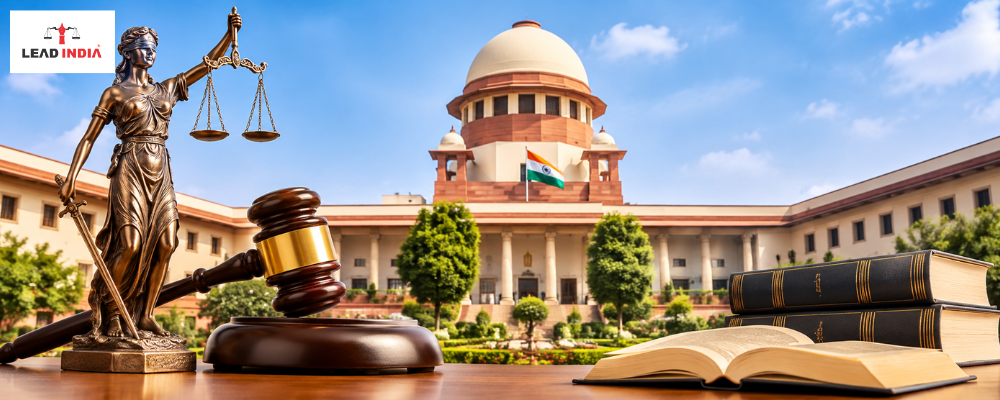
Dealing with a legal dispute can be stressful, especially when the matter reaches the Supreme Court of India. Whether it involves challenging a High Court judgment, filing a Special Leave Petition (SLP), seeking bail, or protecting fundamental rights, understanding the legal process is essential.
Many individuals face difficulties finding the right advocate, preparing legal documents, understanding court procedures, and identifying the appropriate legal remedy. Without proper guidance, these challenges can make an already complicated situation more stressful.
This is where Lead India Law can help. By connecting individuals with legal professionals and providing access to legal consultation, Lead India helps people explore suitable legal assistance for different types of Supreme Court Matters.
Understanding Supreme Court Matters in India
The Supreme Court of India is the highest judicial authority in the country. It handles important legal disputes, constitutional questions, appeals, and matters involving the interpretation of law.
Some common types of Supreme Court Matters include:
- Special Leave Petitions (SLP): Challenging certain judgments or orders under Article 136 of the Constitution.
- Civil Appeals: Disputes involving property, contracts, financial matters, and civil rights.
- Criminal Appeals: Challenging criminal court decisions through the appropriate legal process.
- Writ Petitions: Seeking constitutional remedies for the enforcement of fundamental rights.
- Transfer Petitions: Requesting the transfer of eligible cases from one court to another.
- Review Petitions: Seeking a review of a Supreme Court judgment under applicable legal provisions.
Each matter requires a different legal approach, making professional guidance important.
Common Challenges People Face in Supreme Court Matters
Before approaching the Supreme Court, individuals often experience several practical and legal difficulties.
1. Finding the Right Supreme Court Lawyer
One of the biggest challenges is identifying an advocate who has experience in the relevant area of law. A lawyer familiar with criminal litigation may not necessarily specialise in constitutional or commercial disputes.
2. Understanding the Filing Procedure
Supreme Court proceedings involve specific rules, documentation, filing requirements, and procedural formalities. Understanding these requirements can be difficult for someone without a legal background.
3. Preparing Important Legal Documents
Petitions, affidavits, previous court judgments, annexures, and other supporting documents must be prepared carefully. Documentation errors may result in objections or delays.
4. Understanding Legal Options
People are often confused about whether they should file an appeal, SLP, review petition, or writ petition. The correct remedy depends on the facts and applicable legal provisions.
5. Managing Legal Expenses
Legal fees and litigation-related expenses can be a concern. Individuals need to understand the professional charges and other possible costs before proceeding.
How Helps People With Supreme Court Matters
Finding suitable legal assistance can make the process of dealing with complex litigation more manageable. Lead India provides a platform that helps individuals connect with legal professionals and explore assistance for different Supreme Court-related disputes.
Here are some ways Lead India Law can help:
1. Connecting Clients With Relevant Legal Professionals
Finding an appropriate advocate is an important first step. Lead India helps individuals explore lawyers based on their legal requirements and relevant practice areas.
This can be useful for people looking for assistance with civil appeals, criminal matters, constitutional disputes, or other Supreme Court proceedings.
2. Assistance With Special Leave Petitions
When a person wants to challenge a judgment or order, understanding whether an SLP is an appropriate legal remedy is important.
Lead India law helps individuals connect with legal professionals who handle Special Leave Petitions and can guide them regarding the applicable procedure, documentation, and legal considerations.
3. Guidance for Writ Petitions and Constitutional Matters
Cases involving fundamental rights and constitutional issues require careful legal consideration.
Through its lawyer network, Lead India helps people explore legal assistance relating to writ petitions, constitutional disputes, and Public Interest Litigations (PILs).
4. Legal Consultation Before Taking Action
Taking legal action without understanding the available options can create unnecessary complications.
Lead India provides access to legal consultation so individuals can discuss their concerns, understand possible remedies, and make informed decisions with professional guidance.
5. Help With Appeals and Transfer Petitions
Appeals and transfer petitions involve specific legal requirements. Lead India helps individuals find legal professionals who handle these types of matters and can explain the relevant procedures.
6. Making Legal Assistance More Accessible
People from different parts of India may find it difficult to identify suitable legal professionals for specialised litigation.
Lead India Law nationwide legal network helps individuals explore available legal assistance without depending entirely on personal recommendations.
How to Get Legal Assistance
Getting started with legal assistance can be simple:
Step 1: Visit the Website
Visit the official Lead India Law website and explore its Supreme Court legal services.
Step 2: Share Your Legal Problem
Explain whether your matter involves an SLP, appeal, writ petition, bail application, or another legal dispute.
Step 3: Connect With a Relevant Lawyer
Explore suitable legal professionals based on your requirements and discuss your case.
Step 4: Discuss Documents and Legal Strategy
Share relevant court orders and supporting documents with your lawyer. Discuss the available legal remedies, procedural requirements, professional fees, and timelines.
Step 5: Proceed With Legal Assistance
After understanding the legal advice and agreeing on the professional engagement, proceed with the appropriate legal steps.
Why Choosing the Right Legal Support Matters
Supreme Court litigation requires careful preparation and an understanding of procedural and substantive law. Choosing appropriate legal representation can help individuals understand their rights and avoid common procedural mistakes.
Professional legal assistance can help with:
- Evaluating the merits of a legal matter.
- Identifying the appropriate legal remedy.
- Understanding limitation periods.
- Preparing petitions and supporting documents.
- Understanding court procedures.
- Receiving guidance throughout the legal proceedings.
Lead India Law helps bridge the gap between individuals seeking legal assistance and professionals who can guide them through these requirements.
However, no legal platform or lawyer can guarantee a particular court outcome. Every case depends on its facts, applicable law, and the court’s decision.
Conclusion
Handling Supreme Court Matters requires more than simply knowing where to file a petition. It involves understanding legal remedies, preparing documents, following court procedures, and finding the right professional to represent your interests.
For individuals facing complicated legal disputes, finding suitable legal assistance can be an important step towards addressing their concerns.
Lead India Law makes the search for legal assistance more accessible by connecting individuals with legal professionals and helping them explore possible solutions for their legal problems. Whether you need guidance regarding an SLP, civil appeal, criminal matter, writ petition, or transfer petition, the right legal consultation can help you understand your next steps.
When facing a complicated legal challenge, informed decisions and appropriate legal support can make the journey easier to navigate.