

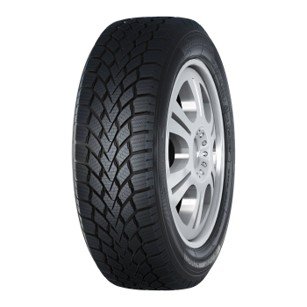
Tire prices have climbed steadily, and for many Canadian households a full set of premium-brand tires is now a significant purchase — especially when a separate winter set is part of the plan. That has pushed more drivers to look at value-priced brands. The question they ask is always the same: are budget tires actually worth it?
The honest answer is that it depends less on the brand than most people think, and more on whether the tire is matched properly to the vehicle, the season and the way it is driven. Here is a practical way to judge any value-priced tire before you buy.
Why budget tires get a mixed reputation
Read enough online reviews and you will see the same pattern. Many complaints about inexpensive tires turn out to involve a mismatch: a passenger tire fitted to a truck that tows, an all-season tire used through a prairie winter, or a set installed on a vehicle with an alignment problem that would have worn any tire unevenly. When the tire is right for the job, the gap between a value tire and a premium tire is often smaller than the price difference suggests.
That is not to say there is no difference. Premium brands invest heavily in compounds and testing, and some drivers will notice the result in braking distances, noise or longevity. But for many everyday uses, a correctly specified value tire is a reasonable choice.
The four specifications that matter most
- Size
The size must match what your vehicle and rim are designed for. Changing sizes is possible, but it is a fitment decision, not a shopping one.
- Load index
Every tire has a load index that tells you how much weight it can carry. It must meet or exceed the figure on your vehicle’s placard. This is especially important for trucks, SUVs and vans.
- Speed rating
The speed rating should match your vehicle’s requirement. Dropping to a lower rating can change how a car handles, particularly at highway speeds.
- Season and symbol
For winter driving in most of Canada, look for the three-peak mountain snowflake symbol. It shows the tire passed a standardised snow traction test. The M+S marking alone does not mean the same thing.
Where value tires make the most sense
- Daily commuting on maintained city streets and highways.
- Dedicated winter sets mounted on a second set of rims.
- Second vehicles that cover fewer kilometres.
- Work trucks, as long as the load range is correct for the work.
Where you might spend more
If you drive a high-performance car hard, track your vehicle, or have a strong preference for a particular premium model, the extra spend may be worth it to you. The same applies if you regularly drive in extreme conditions with no margin for error. Value tires are a tool, not a universal answer.
Don’t forget the hidden costs
The price on the tire is only part of the bill. Factor in mounting and balancing, provincial recycling levies, and potentially an alignment check. An alignment problem can ruin a new set within a season, and that cost has nothing to do with the brand you chose.
Warranties: read the fine print
Many value brands offer treadwear warranties, but terms vary. Know the kilometre figure, what counts as a defect, and what maintenance is expected — regular rotation and correct pressures are usually part of the deal.
How to evaluate a specific brand
When you are looking at a particular value brand, do three things. First, find out which lines it makes and what each is designed for. Second, check that the line you are considering is available in your exact size with the right load index and speed rating. Third, ask the retailer who installs it how it performs for customers with vehicles like yours — a good shop will tell you when a tire is not the right fit.
Questions to ask before you buy any value tire
- Is this line available in my exact size, with my required load index and speed rating?
- What kind of vehicle and driving is this line designed for?
- What are the warranty terms, and what maintenance do they expect?
- Does the installation price include balancing, and is there a recycling levy?
- Would you put this tire on your own vehicle for the way I drive?
The last question is the most revealing. A retailer who answers it honestly — including telling you when another tire would suit you better — is worth more than any online star rating.
Value tires and winter
Winter is where many Canadians first consider a value brand, because a dedicated winter set is a second purchase on top of the tires already on the vehicle. A value-priced winter tire with the three-peak mountain snowflake symbol, mounted on a second set of rims, can make winter tires affordable for drivers who might otherwise skip them. That is a safety win, provided the size and ratings are correct.
As an example of what that looks like in practice, here is a line-by-line Haida tires review from an Edmonton shop, covering winter, touring, performance and truck lines, and who each one suits.
Conclusion
Budget tires can be worth it when they are chosen carefully. Match the size, load index, speed rating and season to your vehicle, budget for proper installation, and buy from someone willing to give you a straight answer. Do that, and the brand name becomes one factor among several — not the deciding one.