

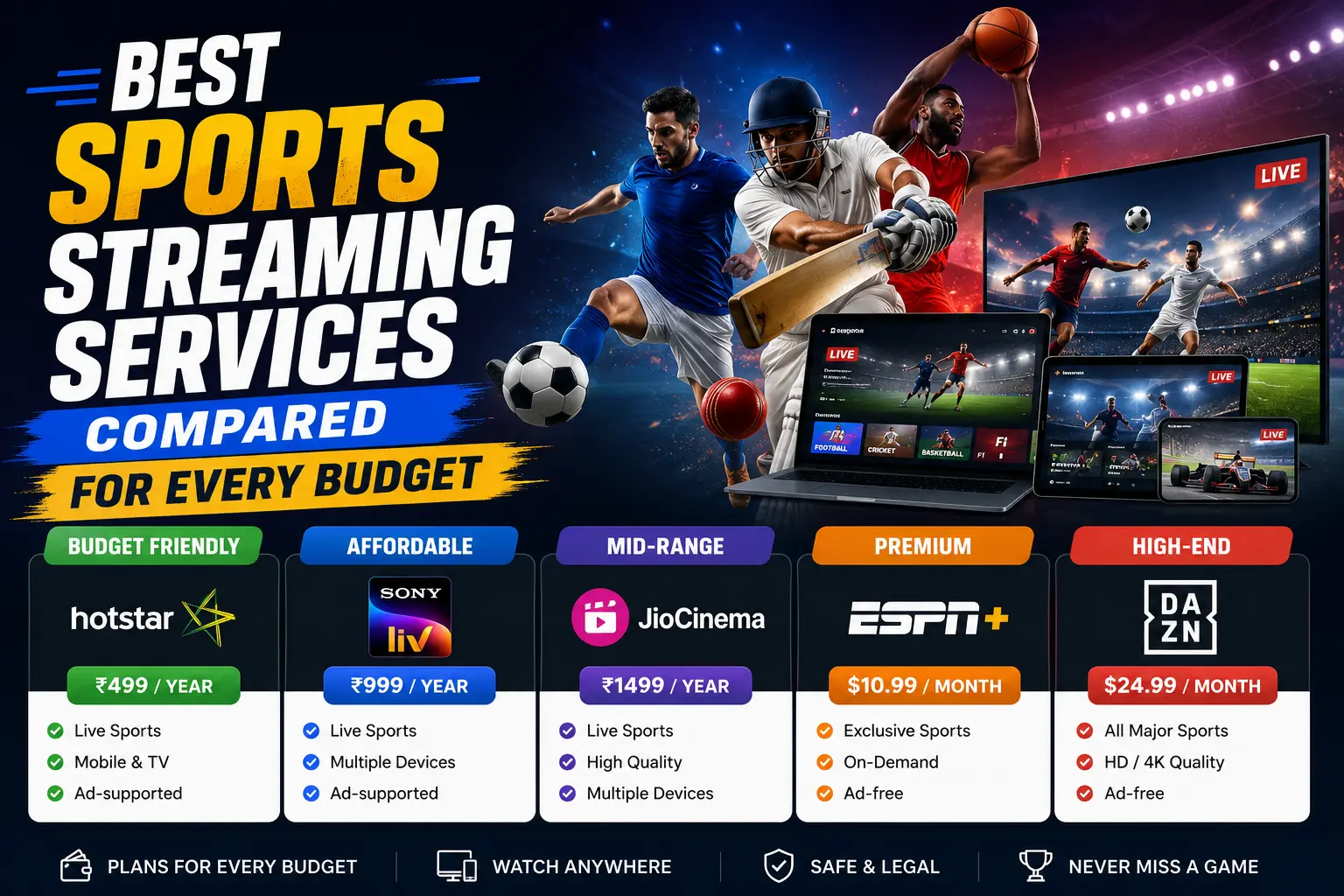
Navigating the fragmented world of sports streaming can feel overwhelming, especially with rights distributed across dozens of apps and cable-alternative services. Whether you are a casual fan looking for a Sunday game or a dedicated enthusiast tracking multiple international leagues, finding the right service depends on balancing your must-watch content with your monthly budget.
Evaluating the Major Cable Alternatives
For viewers who want a traditional cable experience without the hardware or annual contracts, live TV streaming services are the most robust option. These platforms aggregate local channels, national sports networks, and regional sports coverage into a single interface. While these services carry higher monthly price tags, they eliminate hidden equipment fees and provide the comprehensive DVR features needed to manage a busy sports calendar.
Key considerations for choosing a live TV package include:
-
Channel Variety: Ensure the service carries your specific regional sports networks (RSNs) and essential national channels like ESPN, FS1, or TNT.
-
DVR Functionality: Look for unlimited cloud-based DVR space, which is critical for fans who cannot watch games in real-time.
-
Multiview Capabilities: Some platforms now allow you to watch up to four live games simultaneously, a game-changer for fans during major tournament weekends.
-
Flexibility: Prioritize services that operate on a month-to-month basis, allowing you to cancel or pause your subscription during the off-season.
Tiered Approaches for Sports Fans on a Budget
If a full-suite live TV plan feels too expensive, a “subscription hopping” strategy often provides better value. By identifying exactly which sports you care about, you can build a custom stack of streaming apps that costs significantly less than a standard cable-replacement package. This method requires a bit more active management but prevents you from paying for dozens of channels you never watch.
Follow these steps to build your custom sports stack:
-
Identify Your Must-Haves: List the leagues and specific teams you follow, then determine which services hold the exclusive rights to those games.
-
Start with Niche Apps: Subscribe to focused services like those dedicated to specific sports (e.g., motorsports or soccer) or individual network apps that offer standalone live feeds.
-
Use Free Over-the-Air Options: Supplement your paid apps with an HD antenna to pick up local network broadcasts for major events like the Super Bowl or marquee NFL games.
-
Rotate Based on Season: Activate subscriptions only for the months when your preferred leagues are in session and cancel them immediately when the season concludes.
-
Look for Bundles: Take advantage of integrated bundles that combine general entertainment streaming with sports apps to save on the combined monthly cost.
Maximizing Value Through Technical Optimization
Once you have selected your services, ensuring the highest possible quality for your streams will improve your overall experience. Streaming sports requires stable bandwidth, and simple adjustments can often prevent the buffering or resolution drops that frequently plague high-action broadcasts. Modern devices and optimized network settings play a significant role in how your games appear on the screen.
When your service is up and running, focus on maintaining your viewing experience:
-
Network Stability: Use a wired Ethernet connection for your streaming device whenever possible to avoid the fluctuations typical of high-traffic Wi-Fi networks.
-
Display Settings: Adjust your streaming device’s refresh rate to 60Hz to ensure smooth motion, which is crucial for watching fast-moving sports like basketball or hockey.
-
Profile Management: If your plan supports family sharing, set up individual profiles for each user to keep your sports recommendations curated to your specific interests.
-
Updates and Caching: Periodically clear your app cache and ensure your streaming device firmware is up to date to maintain the best possible performance and navigation speed.
Conclusion
Choosing the best sports streaming service is about matching your specific viewing habits with the platform that offers the best return on investment. Whether you opt for a premium, all-in-one live TV service or a leaner, custom-built stack, the goal is to prioritize the content you actually watch. By periodically auditing your subscriptions and utilizing seasonal flexibility, you can enjoy a high-quality sports viewing experience without overpaying.
FAQs
What is the cheapest way to watch major sports?
The cheapest approach is usually a combination of an HD antenna for local channels and a targeted, seasonal subscription to a specific sports-centric streaming app or network pass.
Can I watch regional sports networks on any service?
Not all services carry regional sports networks (RSNs). Always check the service’s channel finder using your local zip code before subscribing to ensure your home teams are included.
Is “subscription hopping” worth the effort?
Yes, it is the most effective way to save money. By only paying for services during the months your favorite teams are playing, you can save hundreds of dollars throughout the year.
Do I need a 4K TV to get high-quality sports streams?
While you don’t need 4K for all games, having 4K-capable hardware and a high-speed internet connection will allow you to access the best resolution streams when they are broadcast in that format.
What should I prioritize if I follow multiple sports?
Prioritize a live TV streaming service that offers a high channel count and a “multiview” feature, which allows you to track several different games at once without switching back and forth between feeds.