

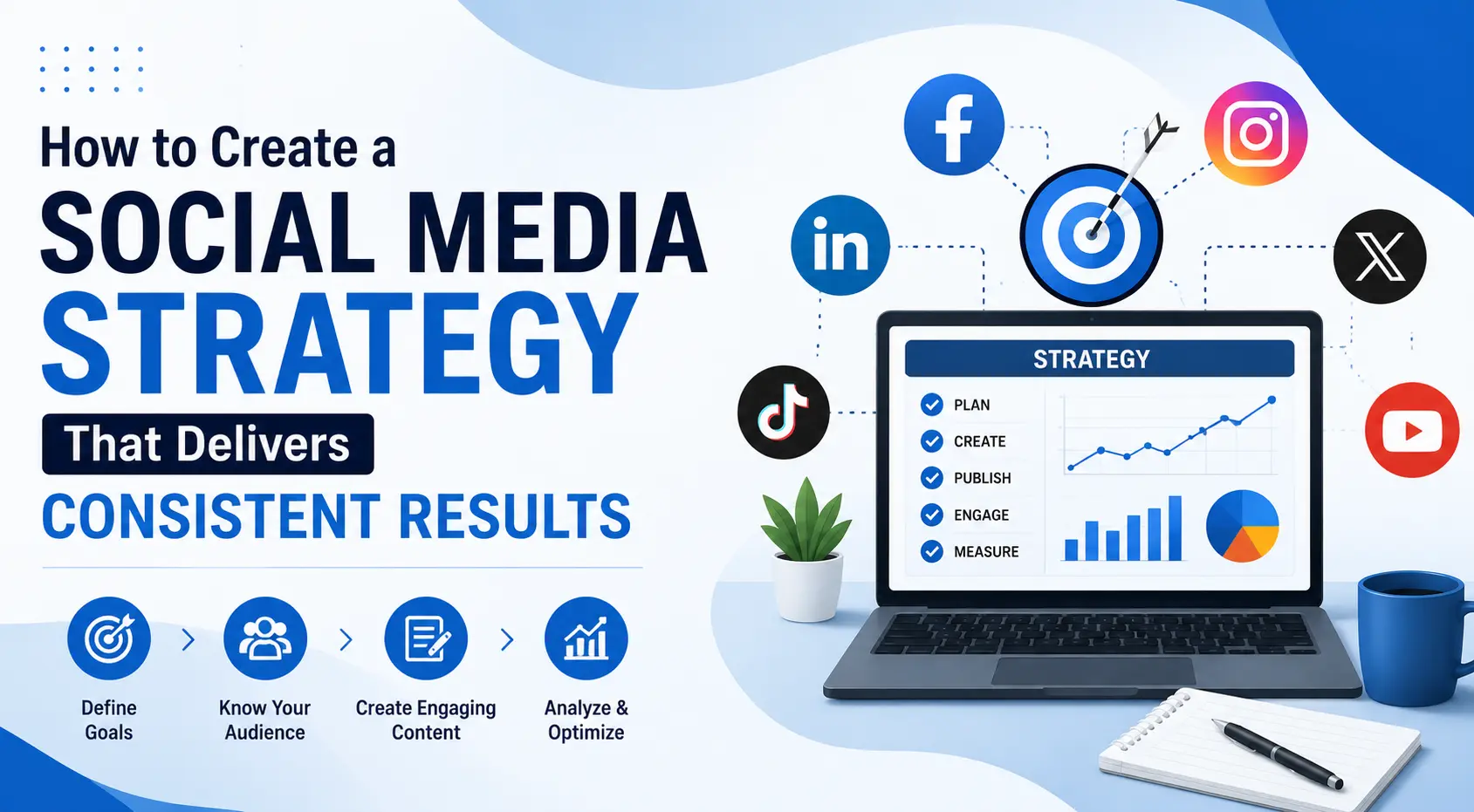
Many businesses treat social media as an experimental playground, posting content sporadically without a clear destination. A professional strategy transforms these platforms from unpredictable noise into a reliable engine for customer acquisition and brand authority. Consistency stems from a structured plan that aligns every post, image, and interaction with your broader business objectives.
Defining Your Strategic Objectives and Target Persona
Before drafting a single post, you must determine what success looks like for your specific venture. Are you seeking to drive website traffic, generate qualified leads, or bolster brand recognition? Defining your core objectives helps you ignore irrelevant vanity metrics and focus on the actions that impact your bottom line.
Align your strategy with these fundamental priorities:
-
Platform Selection: Focus your resources on the platforms where your ideal buyers actually spend their time, rather than attempting to maintain a presence everywhere.
-
Unique Value Proposition: Clearly define what your brand offers that competitors do not, and weave this message into your profile bio and primary content pillars.
-
Success Metrics: Choose two or three specific key performance indicators, such as click-through rates or lead conversion volume, to evaluate your progress.
-
Audience Empathy: Develop detailed personas based on the actual challenges and interests of your customers to ensure your messaging resonates deeply.
Constructing a Content Ecosystem for Repeat Engagement
Consistency does not mean repetitive content; it means maintaining a predictable rhythm of value. An effective ecosystem mixes different formats to guide your audience through various stages of interest. By balancing education, entertainment, and promotional content, you prevent your feed from feeling like a continuous sales pitch.
Follow these steps to build your daily content workflow:
-
Develop Content Pillars: Choose three to five main topics that your brand will consistently cover, ensuring that your messaging remains focused and recognizable.
-
Create a Balanced Calendar: Allocate your posts to cover different needs, such as 50% educational content, 30% community-building engagement, and 20% direct promotion.
-
Optimize for Platform Nuance: Adapt your core message to fit the native strengths of each channel, such as utilizing long-form text for professional discussions and short-form video for discovery.
-
Implement Batch Production: Dedicate specific time blocks to create and schedule your content in advance, ensuring you remain active even during your busiest work weeks.
Analyzing Performance and Iterating for Improvement
A strategy is never truly finished; it is a living process that requires constant fine-tuning. Every month, you should review your performance data to identify which topics generated the most interest and which failed to connect. This feedback loop allows you to double down on winning formats and abandon tactics that drain your time without providing a return.
Do not merely look at total likes or follower counts. Instead, analyze the depth of engagement, such as the number of saves, shares, or meaningful comments, which signal genuine interest and authority. Check your website analytics to see if your social traffic is actually converting into newsletter signups or product inquiries. If a specific format or posting time consistently drives better outcomes, pivot your future strategy to prioritize those conditions. Continuous optimization transforms your social media presence from an administrative task into a data-backed growth channel that improves with every iteration.
Conclusion
A successful social media strategy is built on clarity, consistency, and constant improvement. By defining your goals, maintaining a structured content rhythm, and rigorously testing your results, you move away from guesswork and toward predictable outcomes. Focus on providing real value to your specific audience, and your social presence will naturally evolve into a powerful, results-driven business asset.
FAQs
How often should I post to maintain consistency? Consistency is more important than volume. It is better to post high-quality content twice a week reliably than to post daily for a week and then disappear for a month.
How do I handle the pressure to jump on every trend? Ignore trends that do not align with your brand voice or target audience. Focus only on trends that allow you to demonstrate your expertise or provide value to your followers.
What should I do if my engagement drops? Review your recent content to see if it still addresses your audience’s current pain points. Try experimenting with a new format or ask your audience directly what they want to see more of.
Is it okay to automate my posts? Yes, automation is essential for consistency. Use scheduling tools to plan your content in advance, but always monitor your accounts to engage with comments and messages in real-time.
How long does it take to see consistent results? Social media growth is a long-term commitment. With a disciplined strategy, you can expect to see meaningful shifts in engagement and traffic within three to six months.