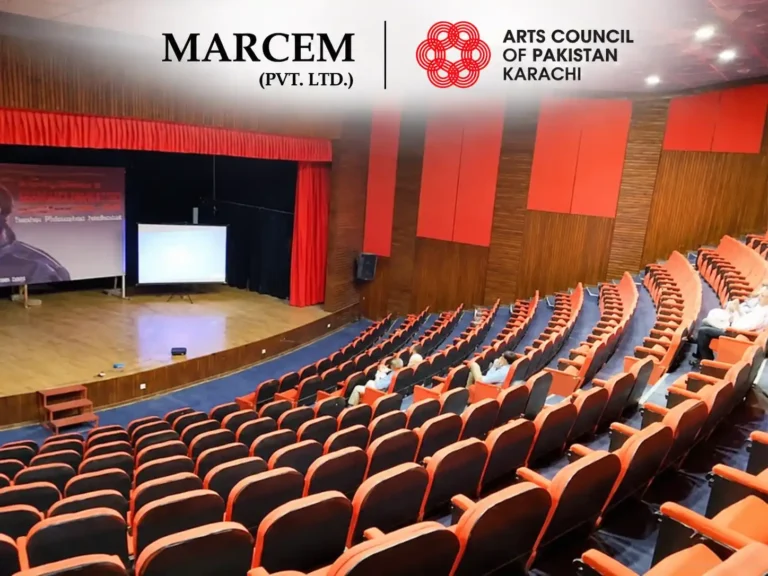

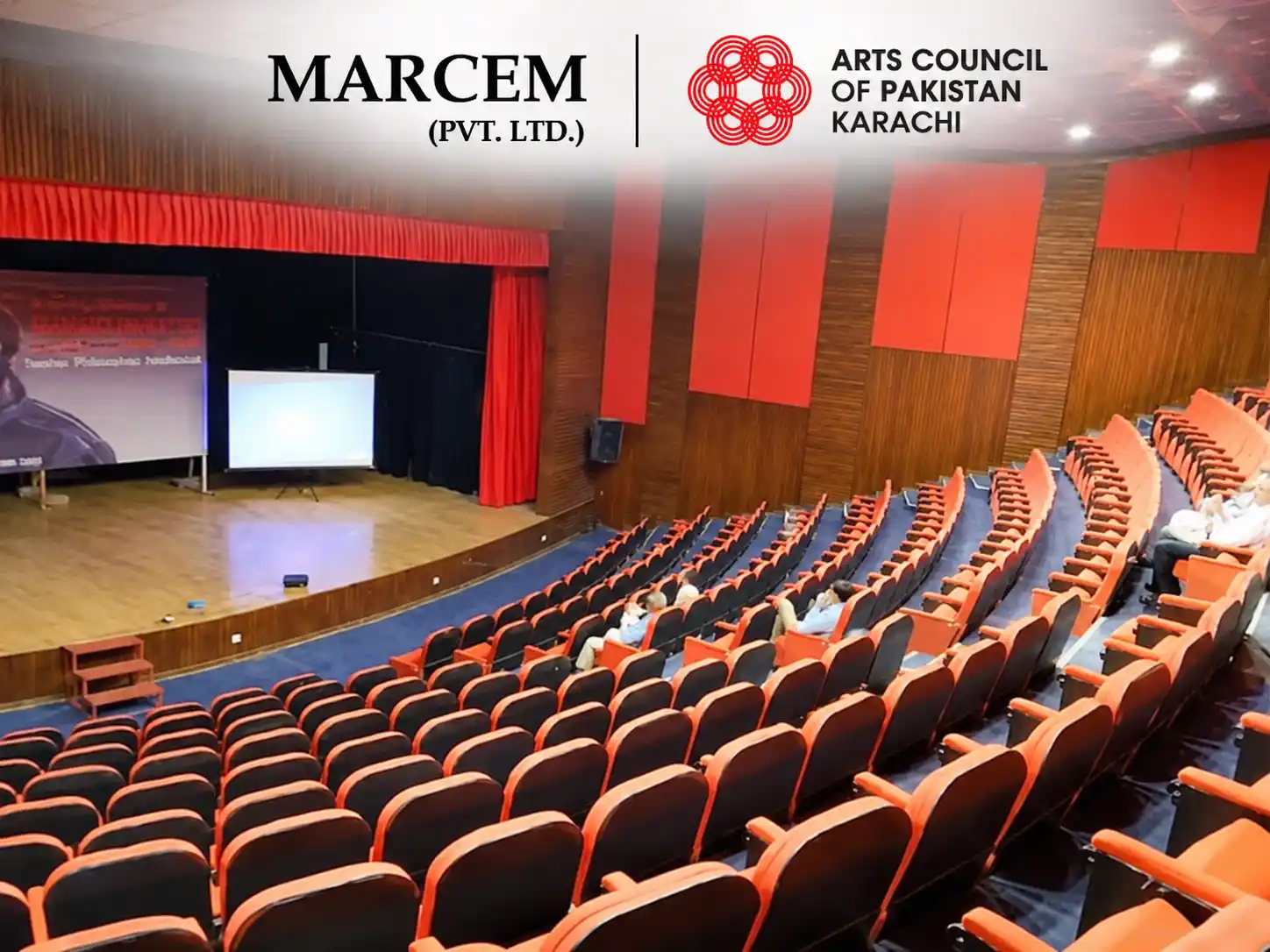
Karachi is a city where culture, creativity and community activities come together through theatre, music, literature, exhibitions and public gatherings. From educational programmes to artistic performances, cultural spaces provide opportunities for people to share ideas, appreciate creative work and participate in activities beyond their everyday routines.
Among the city’s recognised cultural institutions, Arts Council of Pakistan Karachi holds an important place. It provides a platform for artistic expression, cultural programmes, literary discussions and activities that connect different sections of society.
However, the importance of a cultural institution extends beyond the performances and exhibitions hosted within its premises. These spaces also create opportunities for educational engagement, professional gatherings, creative collaborations and organised public events.
Understanding how cultural venues contribute to a city’s development helps explain why proper event planning and professional coordination are important for successful programmes.
The Cultural Importance of Arts Council Karachi
Cultural institutions play an important role in preserving artistic traditions while introducing audiences to new forms of creative expression.
The Arts Council provides an environment where artists, performers, writers, students and members of the public can participate in different cultural activities.
The programmes associated with such institutions can include:
- Theatre performances and stage productions.
- Music programmes and cultural festivals.
- Literary discussions and book launches.
- Art exhibitions and photography displays.
- Educational workshops and creative sessions.
- Seminars and intellectual discussions.
- Community engagement programmes.
These activities encourage interaction between creative professionals and audiences while providing opportunities for emerging talent to present their work.
How Cultural Institutions Support Community Engagement
A cultural institution is not simply a location where events take place. It can also serve as a meeting point for people with different professional backgrounds, interests and creative perspectives.
Community engagement is particularly important in a large metropolitan city like Karachi, where residents represent diverse cultures, industries and educational backgrounds.
Public programmes can help strengthen these connections in several ways.
Encouraging Artistic Expression
Performances, exhibitions and creative programmes give artists opportunities to showcase their work. They also allow audiences to discover different artistic styles, cultural traditions and creative approaches.
Supporting Educational Activities
Workshops, lectures, literary sessions and discussions provide opportunities for learning. Students and professionals can participate in activities that introduce new ideas and encourage knowledge sharing.
Creating Opportunities for Collaboration
Cultural gatherings bring together artists, organisations, educational institutions, businesses and community groups. These interactions can create opportunities for future collaborations and creative initiatives.
Preserving Cultural Heritage
Theatre, literature, music and visual arts contribute to the preservation of cultural identity. Organised programmes help introduce these traditions to younger audiences while keeping creative activities accessible to the community.
Different Types of Events That Cultural Venues Can Accommodate
The requirements of an event depend on its purpose, audience and programme format. Cultural venues can support different types of activities, provided the proposed event meets the venue’s booking policies and operational requirements.
Theatre and Performing Arts
Theatre productions require suitable stage arrangements, audience seating, sound systems, lighting and backstage coordination.
A well-organised production also needs rehearsal schedules, technical checks and coordination between performers and production teams.
Art and Photography Exhibitions
Exhibitions require careful consideration of display arrangements, lighting, visitor circulation, installation schedules and information displays.
Organisers must also consider how visitors will enter, move through and engage with the exhibition space.
Literary Events and Book Launches
Book launches, author discussions and literary programmes often require a presentation area, speaker arrangements, microphones, seating and guest registration.
Depending on the programme, organisers may also require media coordination, photography and refreshments.
Corporate and Institutional Gatherings
Cultural institutions may also be considered for suitable professional programmes, such as seminars, conferences, workshops and institutional presentations, subject to venue approval.
These events typically require presentation equipment, stage branding, audiovisual arrangements, registration facilities and guest management.
Why Professional Event Planning Matters
Organising a successful event requires more than arranging a venue and inviting attendees. Several operational requirements must be considered before the programme begins.
An event may involve different suppliers, technical teams, catering arrangements, production schedules and guest-management responsibilities.
Without proper coordination, these elements can become difficult to manage, particularly when several activities are taking place within a limited timeframe.
Professional event planning helps bring these requirements together.
Important considerations include:
- Understanding the event’s objectives and audience.
- Selecting a suitable space according to the programme.
- Preparing the event layout and seating arrangements.
- Coordinating sound, lighting and audiovisual equipment.
- Planning stage production and event branding.
- Managing catering and refreshments.
- Organising registration and guest reception.
- Coordinating suppliers and event staff.
- Preparing setup and dismantling schedules.
- Supervising event-day operations.
Each requirement should be assessed according to the venue’s available facilities, permissions and operating conditions.
Planning an Event at Arts Council Karachi
Organisations considering a programme at Arts Council Karachi should begin by identifying their event requirements.
The first step is to determine the event format, expected attendance, proposed date and technical needs.
A theatre performance, for example, may require different arrangements from a corporate seminar or an art exhibition.
Before proceeding, organisers should consider the following:
1. Event Purpose: Define whether the programme is cultural, educational, corporate, institutional or community-focused.
2. Expected Attendance: Estimate the number of participants to help determine the appropriate space and seating arrangement.
3. Technical Requirements: Identify the sound, lighting, projection, stage and audiovisual facilities needed.
4. Guest Arrangements: Plan registration, reception, seating, refreshments and guest movement.
5. Operational Planning: Establish supplier schedules, setup timings, technical checks and event-day responsibilities.
6. Venue Coordination: Confirm availability, booking procedures, charges, permissions and applicable venue policies directly with the relevant management.
A clear planning process helps organisers identify potential requirements before committing to the final event arrangement.
For those researching the venue, its spaces, facilities and event-management considerations, this detailed Arts Council Karachi guide provides additional information about venue options and professional event coordination.
The Role of Event Management Companies in Cultural Programmes
Event management companies can help organisations coordinate the different elements involved in preparing and executing an event.
Rather than managing every supplier and operational requirement independently, clients can work with an event-management team to coordinate the agreed services.
Depending on the event brief, these services may include:
- Event concept and planning.
- Venue selection and booking coordination.
- Stage design and production.
- Sound, lighting and audiovisual arrangements.
- Catering and food management.
- Event décor and branding.
- Guest registration and hospitality.
- Supplier and logistics coordination.
- Photography and videography.
- On-site event supervision.
For events hosted at cultural institutions, external event teams must also work within the applicable venue guidelines and obtain the necessary approvals.
The objective is to coordinate the event requirements while respecting the institution’s facilities, operating procedures and cultural environment.
Bringing Culture and Professional Event Management Together
Cultural institutions contribute to the social and creative development of a city by providing spaces for performances, exhibitions, education and public interaction.
Their value comes not only from the programmes they host but also from the opportunities they create for artists, organisations, students and communities.
As Karachi continues to host different forms of cultural, educational and professional gatherings, effective event planning remains an important part of delivering organised programmes.
Whether an organisation is preparing a cultural presentation, a corporate seminar, an exhibition or a community gathering, understanding the venue and coordinating the operational requirements can make a meaningful difference.
The Arts council represents an important part of Karachi’s cultural environment, while professional event management helps organisers turn their programme requirements into properly coordinated events.