Adventure travel insurance covers emergency medical expenses, helicopter rescue and evacuation, and high-altitude trekking up to your plan’s altitude limit. It usually excludes pre-existing conditions, activities above that limit, and reckless behaviour. Always check your policy’s exclusions.
You’ve booked the flights, packed the boots and trained for months. Then comes the question most trekkers put off: what happens if something goes wrong at 5,000 metres, two days from the nearest road?
That is exactly what adventure travel insurance is for. But it isn’t the same as the policy you buy for a beach holiday, and the differences matter. This guide explains what adventure travel insurance covers, what it leaves out, and how to pick the right plan for your trip.
What Is Adventure Travel Insurance?
Adventure travel insurance is a policy built for trips where the risk is higher than usual: trekking, mountaineering, expeditions and remote travel. Instead of focusing on lost bags and cancelled hotels, it focuses on medical emergencies, rescue and evacuation in places where help is hard to reach.
At ASC360, we specialise in adventure safety and rescue cover, including mountain clinics, ground rescue teams, medical evacuation, helicopter evacuation and 24/7 on-call advisory. Our plans are designed for people heading into the mountains. They are not a replacement for a full travel policy that covers flights and luggage, and many trekkers carry both.
Does Adventure Travel Insurance Cover Trekking and Hiking?
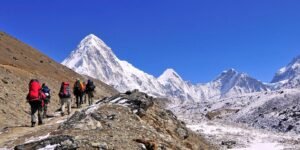
Yes, but the details depend on where and how high you go. Most adventure plans cover trekking and hiking up to a stated altitude limit, often on marked trails and with or without a guide depending on the policy. A weekend hike in the foothills and a two-week trek in the Himalayas fall under different tiers, so always check the altitude and activity wording before you buy.
If you are planning a classic route, our Everest Base Camp trek insurance page shows how cover is set up for one of the world’s most popular treks.
Does It Cover High-Altitude Trekking?
This is where adventure insurance earns its keep. Standard policies often stop at 2,500 to 4,000 metres. Adventure plans extend higher, and the maximum altitude is usually the first thing to compare.
- Up to 5,000 m: suits many Himalayan treks and shorter routes. See our 5000 m trekking plan.
- Up to 6,000 m: covers higher trekking peaks and tougher passes. See our 6000 m trekking plan.
Altitude sickness is a real medical risk, not an exclusion in the fine print, but only if your plan’s altitude limit matches your itinerary. If your trek goes higher than your cover, you may be uninsured exactly when it counts.
Is Helicopter Rescue Included?
For remote treks, this may be the most important line in your policy. In places like Nepal, a helicopter evacuation can be the only way out, and without insurance the bill can run into thousands of dollars.
Good adventure plans include emergency evacuation and helicopter rescue, but check three things:
- The limit: is it high enough for real-world rescue costs?
- The trigger: does a doctor or guide need to confirm the evacuation is necessary?
- The location: is the pickup area covered, including remote trails?
Rescue that is only reimbursed after you pay upfront is very different from rescue arranged and paid directly by the insurer. Ask which one applies.
Does It Cover Emergency Medical Expenses?
Yes. Emergency medical cover typically includes hospital treatment, doctor consultations, emergency surgery, ambulance transport and necessary medication after an injury or sudden illness during your trip.
Things to look for:
- Treatment for altitude-related illness
- Cover for injuries like sprains, fractures and falls
- Transfer to a better-equipped hospital, such as from a mountain clinic to a city hospital
- Whether the insurer pays the hospital directly or you claim later
Routine check-ups and treatment unrelated to the emergency are generally not covered.
Are Pre-Existing Medical Conditions Covered?
Usually not by default. Most adventure policies exclude pre-existing conditions, or cover them only if you declare them and the insurer accepts them. Conditions that are stable and well managed are treated differently from those that were recently diagnosed or treated.
Be honest on your application. An undeclared condition can lead to a rejected claim, and that is the last thing you want to discover after an emergency. If you live with a long-term condition, speak to your doctor about trekking at altitude and to the insurer about what is and isn’t covered.
Does Standard Travel Insurance Cover Adventure Sports?
Often, no. A standard travel policy is built for city breaks and resort holidays. Many exclude trekking above a modest altitude, mountaineering, skiing off-piste, rafting and other adventure activities. Some offer them as paid add-ons, but with low limits.
The risk is subtle: your policy may look comprehensive, yet a claim can be denied because the activity wasn’t covered. If your trip involves mountains, remote terrain or technical activities, a specialist adventure plan is the safer choice. You can see how the plans are structured on our plans and packages page.
What Activities Are Excluded?
Every policy has exclusions, and they vary. Common ones include:
- Activities above the plan’s altitude limit
- Technical climbing or expeditions without the right plan tier
- Injuries while under the influence of alcohol or drugs
- Reckless behaviour or ignoring local safety warnings
- Professional sports and competitions
- Travelling against official advisories
- Unlisted high-risk activities such as base jumping
Read the “What is not covered” section before you pay. It takes five minutes and can save you from a costly surprise.
How Much Adventure Travel Insurance Do I Need?
There is no single number, but focus on two limits:
- Emergency evacuation and rescue: the figure that matters most in remote regions.
- Emergency medical expenses: especially if you are travelling from a country with expensive healthcare, such as the US.
Match cover to your trip: higher altitude, longer duration and more remote routes all justify higher limits. Also check whether the plan has a per-incident cap, since one serious emergency can involve both a rescue and a hospital stay.
How Do I Choose the Right Insurance for My Trip?
A simple checklist helps:
- Check the altitude limit against the highest point on your itinerary.
- Confirm helicopter rescue and how it is arranged and paid.
- Read the exclusions, including pre-existing conditions.
- Look at medical limits that match your home country’s healthcare costs.
- Confirm who is eligible (nationality, age) and when to buy: ideally before you travel.
- Check for 24/7 assistance and how to contact it from the mountains.
If you want to compare options for your route, start with the ASC360 homepage or browse the trek insurance plans.
Frequently Asked Questions
- Is adventure travel insurance worth it? For remote or high-altitude trips, yes. Rescue and medical costs in the mountains can be very high, and insurance protects you from paying them out of pocket.
- When should I buy adventure travel insurance? Buy it as soon as your trip is booked, and always before you leave. Cover only starts once the policy is active, and some benefits depend on early purchase.
- Does it cover altitude sickness? Most adventure plans cover treatment and evacuation for altitude sickness, as long as you stay within the altitude limit of your plan.
- Can I buy insurance after I’ve arrived at the start of my trek? Some insurers allow it, but with waiting periods or restrictions. It is safer to buy before departure.
- Does adventure travel insurance replace regular travel insurance? Not always. Adventure plans focus on rescue and medical emergencies. If you also want cover for flights, baggage and cancellations, you may need a separate travel policy.
Policy terms vary by plan. Always read the full policy wording and exclusions before you buy.
About the Author
The ASC360 Team writes about trekking safety, mountain rescue and adventure insurance for people heading into remote and high-altitude places. ASC360 provides adventure safety and rescue cover for trekkers and mountaineers of all nationalities, including plans for treks up to 5,000 m and 6,000 m. Our goal is simple: help you understand your cover clearly, so you can focus on the trail instead of the what-ifs. Explore our trek insurance plans or visit asc360.com to learn more.