

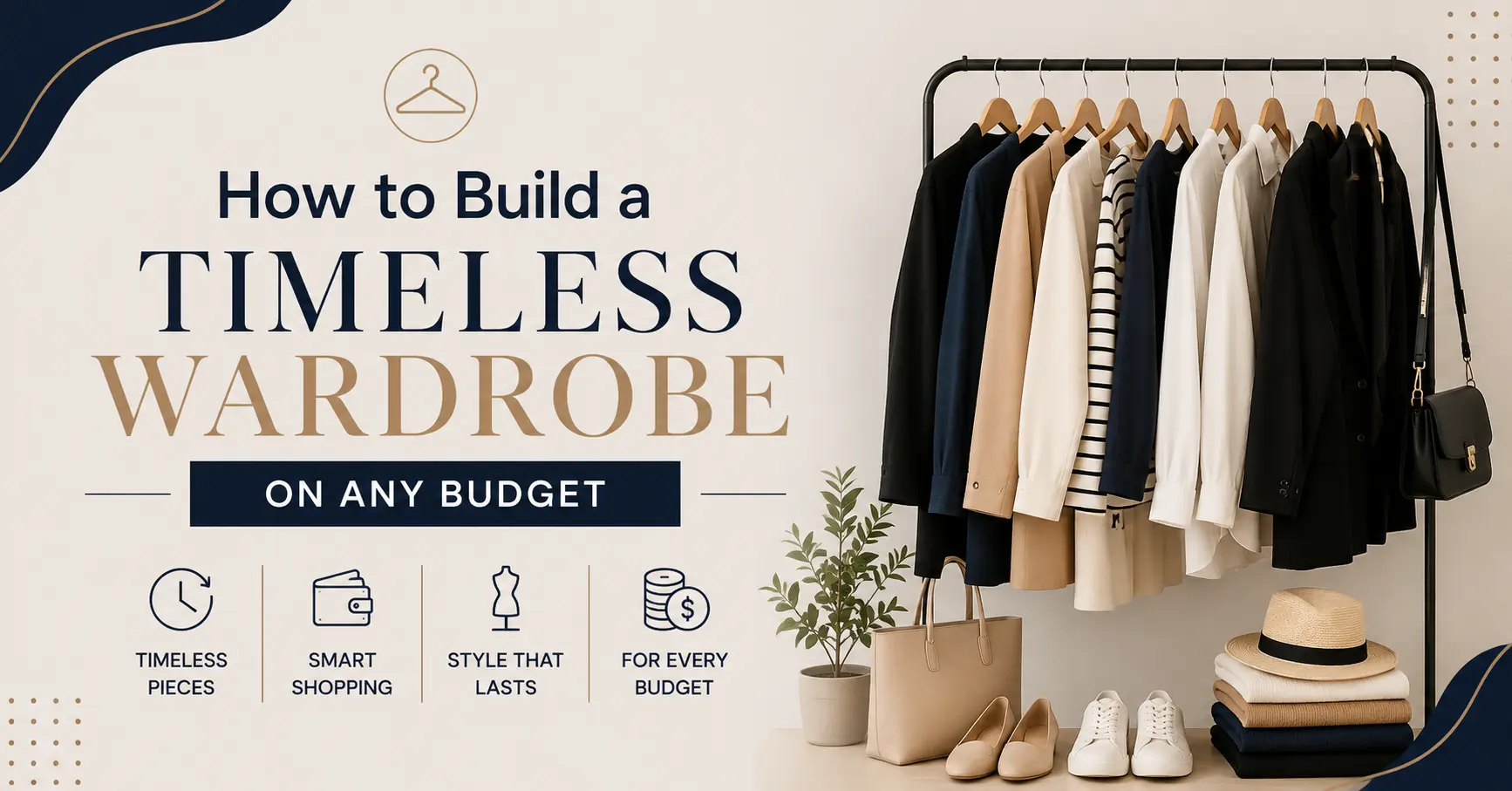
A timeless wardrobe is not about owning expensive labels; it is about curating a collection of garments that transcend seasonal trends. When you focus on quality, fit, and versatility, you shift your mindset from chasing temporary fashion fads to building a lasting personal aesthetic. This approach saves money, reduces environmental impact, and eliminates the daily stress of deciding what to wear.
The Foundation of a Classic Closet
Building a timeless wardrobe begins with selecting “anchor pieces”—garments that can be mixed and matched to create numerous outfits for different occasions. These items should prioritize simple cuts and neutral colors, which form the backbone of a sophisticated style.
-
The Crisp White Button-Down: A well-fitted cotton shirt acts as a versatile layer that works tucked into trousers or worn open over a casual top.
-
Dark Indigo Denim: Opt for a straight or slim-cut jean without distressing or heavy fading; this provides a clean slate that transitions easily from weekend wear to business casual.
-
The Neutral Overcoat: A trench coat or a wool-blend coat in beige, navy, or black adds an instant layer of polish to any ensemble.
-
Tailored Trousers: Investing in one pair of black or charcoal grey trousers offers a foundation for formal settings and can be dressed down with sneakers and a t-shirt.
-
The Quality Knit Sweater: A crew-neck or V-neck sweater in a neutral tone like oatmeal, grey, or navy provides warmth and texture without dominating an outfit.
-
Versatile Footwear: A pair of leather loafers or clean white sneakers can anchor almost any outfit, bridging the gap between casual and formal.
Strategic Shopping Habits for Longevity
You do not need a high income to build a high-quality wardrobe. The secret lies in how you allocate your budget and source your items. Strategic shopping prioritizes the long-term utility of a garment over the instant gratification of a discount or a trendy aesthetic.
-
Prioritize Natural Fibers: Focus on fabrics like cotton, wool, silk, and linen. These materials are more durable, breathable, and age better than synthetic alternatives, ensuring your clothes survive years of wear rather than just a few washes.
-
Master the Art of Tailoring: A less expensive garment that fits perfectly looks significantly more luxurious than a pricey designer piece that hangs incorrectly. Allocate a portion of your budget to local alterations to ensure your clothing complements your specific body shape.
-
Buy Second-Hand for Premium Materials: Use resale apps and consignment shops to find high-end brands that use quality construction. You can often purchase luxury wool coats or silk blouses for a fraction of their retail price, allowing you to access premium quality on a limited budget.
-
Adopt the “One-In, One-Out” Rule: To prevent clutter and ensure every item in your closet earns its keep, commit to removing one piece for every new one you acquire. This habit forces you to be selective and prevents impulsive spending.
-
Research Before Buying: Avoid impulse purchases by waiting 48 hours before buying anything new. Ask yourself if the item coordinates with at least three other pieces you already own. If it doesn’t, it is not a versatile addition.
Maintenance and Care for Sustainability
The lifespan of your wardrobe is determined by how you care for it. Even the highest-quality garments will lose their appeal if they are neglected or washed incorrectly. Proper maintenance is the most underrated aspect of personal style.
Invest in garment care essentials such as a fabric shaver to remove pilling, a soft-bristle brush for wool items, and quality wooden hangers that maintain the shape of your jackets and shirts. Always follow care labels precisely; over-washing is a common mistake that breaks down fibers prematurely. When you treat your clothing with respect, you extend its life cycle, allowing you to build a collection that matures and improves with time.
Conclusion
Building a timeless wardrobe is a marathon, not a sprint. By focusing on essential, well-fitting pieces, shopping strategically, and prioritizing diligent garment care, you create a personal style that is both economical and enduring. Focus on pieces that make you feel confident today and will continue to look polished years from now.
FAQs
1. How do I know if an item is truly timeless? A timeless item usually features a simple silhouette, neutral color, and high-quality material. If you can imagine wearing the piece in five or ten years without it looking “dated,” it is a good candidate for your core wardrobe.
2. Can I build a timeless wardrobe if I love trends? Yes. Use your timeless pieces as the base of your outfit and use trendy items as accents. This allows you to experiment with current styles without sacrificing the overall sophistication of your look.
3. Which fabrics are best for a long-lasting wardrobe? Stick to natural fibers such as 100% cotton, wool, silk, and linen. They are more durable, easier to repair, and generally look better after multiple wears compared to fast-fashion synthetic blends.
4. How much should I spend on a single piece? Determine your “cost-per-wear.” A $100 pair of trousers that you wear weekly is a better value than a $30 pair that you wear twice and then discard. Spend more on items you wear most frequently.
5. What is the most important rule for building this wardrobe? Fit is everything. An inexpensive item that fits perfectly looks expensive, while an expensive item that does not fit will always look off. Always account for tailoring costs in your budget.