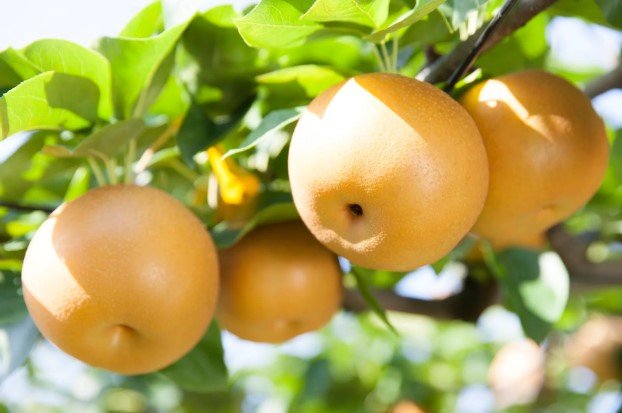
Fruit trees can provide seasonal harvests while adding structure, shade, and visual interest to outdoor spaces. However, successful cultivation requires more than choosing a variety based on its fruit. Climate suitability, pollination, planting conditions, root development, and ongoing maintenance all influence how well a tree establishes itself. Before deciding to buy pear tree varieties for a home garden or orchard, it is useful to understand their growth requirements and differences. European and Asian pears have distinct characteristics, and selecting suitable varieties can influence flowering, fruit development, and long-term productivity.
Understanding Different Types of Pear Trees
Pear trees belong to the genus Pyrus and include several cultivated varieties grown for fresh eating, cooking, and preservation.
Two commonly recognized groups are European pears and Asian pears.
European pears: These varieties generally produce fruit with a softer texture when fully ripe. Bartlett is a well-known example, valued for its sweet flavour and versatility.
Asian pears: These varieties commonly have a rounder shape and a crisp, juicy texture. Their fruit is often eaten fresh and can retain a firmer consistency than wide European varieties.
The supplied nursery collection lists Bartlett and 20th Century Asian pear varieties. These options provide different fruit characteristics and allow growers to consider their intended use when selecting a tree.
How to Choose a Suitable Variety
Variety selection should begin with local growing conditions. Buy pear tree with a suitable winter chilling period, sufficient sunlight, and soil that drains properly.
Climate compatibility is particularly important because flowering and fruit development can be affected by seasonal temperature changes.
Before selecting a variety, consider:
- Winter hardiness: Check whether the tree can tolerate typical winter temperatures in the planting region.
- Chilling requirements: Some varieties need more winter cold than others to flower consistently.
- Blooming period: Flowering time affects pollination compatibility.
- Fruit characteristics: Consider flavour, texture, size, and intended use.
- Disease resistance: Look for varieties with appropriate resistance to common regional diseases.
These considerations help establish whether a particular pear variety is suitable for the intended location.
Why Cross-Pollination Matters
Pollination plays an important role in pear production. Many varieties produce better fruit yields when another compatible variety is planted nearby.
Buy pear tree particularly bees, to transfer pollen between flowers. For successful cross-pollination, the selected varieties should have overlapping flowering periods.
Penn State Extension explains that European and Asian pears can sometimes provide compatible pollen, but differences in bloom timing may limit their effectiveness as pollination partners. Planting two varieties with suitable flowering overlap is therefore an important consideration.
A grower should also check whether the selected variety is self-fruitful or requires a compatible pollinator. The presence of another pear tree does not automatically guarantee successful pollination.
Selecting the Right Planting Location
Pear trees generally perform best in locations that receive several hours of direct sunlight each day. Adequate sunlight supports healthy growth, flowering, and fruit development.
Soil drainage is equally important. Waterlogged conditions can restrict oxygen around the roots and increase the risk of root-related problems.
Before planting, examine the soil and remove competing weeds or grass around the intended location.
A suitable planting site should provide:
- Sufficient sunlight throughout the growing season.
- Well-drained soil with adequate organic matter.
- Enough space for the mature canopy.
- Protection from strong winds where possible.
- Suitable distance from buildings, pathways, and other trees.
Pear trees also require enough space for air circulation, which can help reduce conditions favourable to certain fungal diseases.
How to Plant a Pear Tree Correctly
Planting technique affects how quickly a young tree establishes itself.
Begin by digging a hole wider than the root ball but no deeper than its existing height. This allows roots to spread into the surrounding soil without placing the trunk too deeply underground.
Remove the nursery container carefully and inspect the roots. If they are tightly circling the root ball, gently loosen or correct them according to accepted tree-planting guidance.
Place the tree so that the root flare remains visible near the soil surface. Backfill with the excavated soil, firm it gently, and water thoroughly.
Avoid burying the trunk or placing excessive fertilizer directly against the roots.
Watering and Early Establishment
Newly planted pear trees need consistent moisture while their root systems adapt to the surrounding soil.
Watering frequency depends on temperature, rainfall, soil texture, and tree size. Rather than following a rigid daily schedule, check the moisture around the root ball and adjust irrigation accordingly.
A layer of organic mulch can help conserve moisture and reduce weed competition. Keep mulch away from direct contact with the trunk to limit excess moisture around the bark.
Large container-grown trees may require particular attention because their root balls can contain tightly circling roots. University of Arkansas Extension recommends inspecting larger container trees carefully and correcting significant circling roots during planting.
Common Problems Affecting Pear Trees
Fire blight is an important bacterial disease affecting pear trees. It can cause flowers, shoots, and branches to appear scorched or blackened.
The disease is particularly concerning in warm, humid conditions. Infected plant material should be managed according to regional horticultural guidance.
Other possible problems include:
- Pear psylla and other insect pests.
- Fungal leaf diseases.
- Poor fruit development caused by inadequate pollination.
- Root damage from poorly drained soil.
- Flower loss following late spring frost.
Regular inspection can help identify these issues before they become more difficult to manage.
Conclusion
Successful pear cultivation depends on choosing suitable varieties, providing appropriate growing conditions, and managing pollination and early establishment carefully. Soil preparation, root inspection, and consistent watering also influence long-term tree health. Understanding these requirements helps gardeners evaluate the benefits and responsibilities associated with a 15-gallon tree and make informed decisions about planting and ongoing care.