

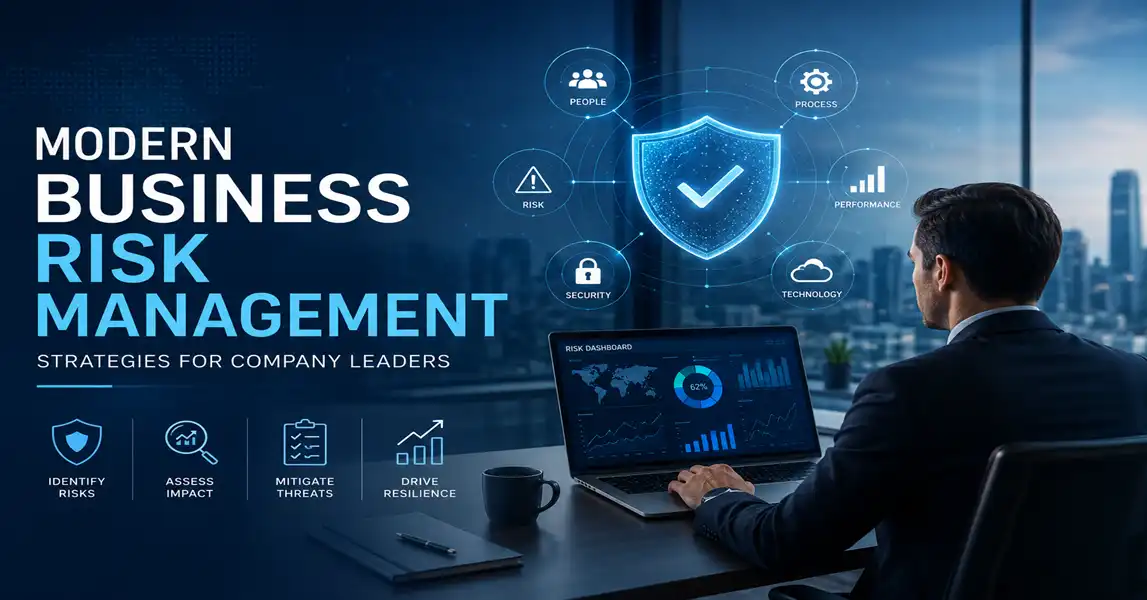
Every organization faces a complex web of vulnerabilities, from supply chain bottlenecks and geopolitical shifts to sophisticated cyber threats. Managing these exposures requires more than annual compliance audits. Today’s leaders need proactive, continuous, and dynamic approaches to identify vulnerabilities before they disrupt operations. Effective risk governance now focuses on integrating threat visibility directly into strategic decision-making, ensuring that every layer of the company remains resilient under pressure.
Moving from Reactive Responses to Predictive Risk Intelligence
Relying on historical data to predict future disruptions leaves companies vulnerable to unexpected shocks. Modern risk management frameworks rely on continuous monitoring and predictive intelligence to spot emerging threats early. By analyzing real-time data sets, leaders can shift their focus from recovery to prevention.
Predictive intelligence allows organizations to evaluate potential impacts under various stress-test scenarios, ensuring capital allocation aligns with the most pressing exposures. This shift demands agile systems that connect different operational domains, creating a unified view of the organization’s threat landscape.
When implementing predictive risk strategies, management teams should focus on the following core elements:
-
Continuous Third-Party Monitoring: Evaluate vendor stability, cyber posture, and financial health in real time rather than relying on annual assessments.
-
Automated Threat Detection: Utilize advanced analytics to spot anomalies in network behavior, financial transactions, and operational workflows.
-
Dynamic Scenario Modeling: Run frequent stress tests combining geopolitical, economic, and operational variables to validate strategic assumptions.
-
Real-Time Dashboarding: Consolidate disparate data streams into a single interface for faster executive decision-making.
Expanding the Total Cost of Risk (TCOR) Framework
Financial leaders often underestimate the true financial impact of operational vulnerabilities by focusing strictly on insurance premiums. A comprehensive strategy requires analyzing the Total Cost of Risk (TCOR), which encompasses direct, indirect, and hidden expenses associated with business disruptions.
When executives calculate the full spectrum of potential losses, they make smarter investments in prevention. Broadening the TCOR framework reveals the hidden drains on profitability and highlights where mitigation efforts will deliver the highest return on investment.
To accurately assess risk costs, organizations should evaluate these critical areas:
-
Uninsured Exposures: Identify operational gaps, regulatory fines, and reputational damage that standard insurance policies will not cover.
-
Business Interruption Costs: Calculate the revenue lost during system downtime, facility closures, or supply chain blockages, including the cost of expedited recovery efforts.
-
Capital Volatility: Measure the financial strain caused by sudden market shifts, currency fluctuations, or unexpected increases in raw material prices.
-
Mitigation Expenditures: Track the ongoing costs of compliance software, physical security systems, and specialized legal counsel required to maintain resilience.
-
Self-Insured Retentions: Account for the deductibles and internal funds set aside to handle frequent, smaller-scale claims directly.
Embedding Risk Accountability Across the Organization
Treating vulnerability management as the sole responsibility of a specialized department creates dangerous blind spots. Resilient companies distribute ownership throughout the entire organizational structure. When department heads, project managers, and frontline employees understand their role in identifying threats, the company develops a much faster reflex against disruptions.
This decentralized approach requires clear communication protocols and embedded governance. Security and compliance metrics should be tied to performance evaluations, ensuring that operational speed never compromises safety. Establishing cross-functional committees helps break down departmental silos, allowing teams to share insights on localized issues before they escalate into enterprise-wide crises.
Training programs must also evolve past basic compliance checklists. Employees need practical, scenario-based exercises that teach them how to spot irregularities and escalate concerns immediately. When a culture of shared accountability takes root, the organization transforms its workforce into an active defense network.
Conclusion
Navigating uncertainty requires a strategic pivot toward proactive, continuous, and distributed governance. By embracing predictive analytics, calculating the comprehensive financial impact of vulnerabilities, and making threat mitigation a shared responsibility, companies can protect their assets while pursuing aggressive growth. Building a resilient architecture ensures that when market conditions shift unexpectedly, the organization is prepared to adapt swiftly and maintain its competitive edge.
FAQs
What is the primary benefit of predictive risk intelligence?
Predictive risk intelligence allows companies to identify and address emerging threats before they cause operational damage. By analyzing real-time data, leadership can proactively adjust strategies rather than reacting to crises after they occur.
How does Total Cost of Risk differ from standard insurance costs?
While insurance premiums represent a fixed expense, the Total Cost of Risk includes uninsured losses, business interruption impacts, deductibles, and the internal costs of running mitigation programs, providing a complete financial picture of exposure.
Why is third-party monitoring critical for modern businesses?
Companies are deeply interconnected with vendors and suppliers. Continuous third-party monitoring ensures that external partners maintain strong security and financial stability, preventing a vendor’s failure from disrupting your own operations.
How can a company improve its risk culture?
Improving culture involves decentralizing responsibility so every employee understands their role in identifying threats. This is achieved through scenario-based training, linking security metrics to performance goals, and establishing cross-functional communication channels.
What role does scenario modeling play in strategic planning?
Scenario modeling tests how various hypothetical crises, such as economic downturns or cyberattacks, would impact the business. This process validates whether a company’s current strategic plans can withstand sudden changes in the business environment.